
Nerve damage after accidents, especially car crashes, requires immediate assessment for compression or severance. Chiropractors offer a natural, effective treatment for pinched nerves through neurological testing, imaging, and manual adjustments, correcting spinal misalignments to alleviate pressure on nerves. Early intervention includes exercises and lifestyle modifications. A multidisciplinary approach combining chiropractic care, physical therapy, and CBT yields better outcomes for nerve injury patients, emphasizing long-term health and recovery from conditions like herniated discs or spinal stenosis.
Accidents can cause significant damage, including pinched nerves, leading to chronic pain and impaired function. Restoring nerve function after such an event is paramount for a full recovery. While conventional treatments exist, many patients seek alternative solutions like chiropractic care. This article delves into the effectiveness of natural, chiropractor-driven treatment for pinched nerves after a crash, exploring techniques tailored to address nerve compression, promote healing, and restore mobility without invasive procedures or medications. By understanding these approaches, individuals can make informed decisions about their recovery journey.
- Understanding Nerve Damage After Accidents: Initial Assessment
- Chiropractor-Guided Treatment for Pinched Nerves: Natural Relief
- Long-Term Strategies for Complete Nerve Function Restoration
Understanding Nerve Damage After Accidents: Initial Assessment
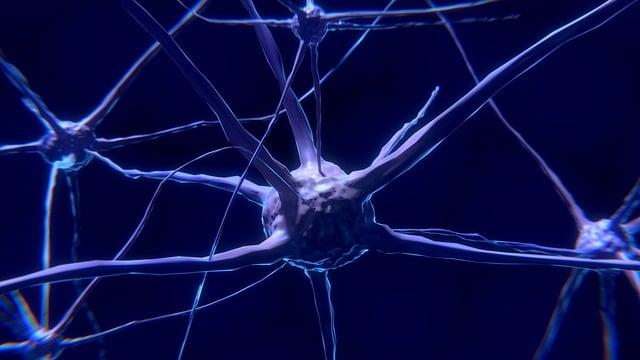
Nerve damage following an accident is a serious yet often overlooked consequence. Understanding the initial assessment of nerve injuries is crucial for effective treatment and rehabilitation. When a person suffers trauma in a crash, various factors come into play, including the intensity of the impact, the specific body parts involved, and the nature of the nerve damage. This initial evaluation is vital to determine the extent of nerve compression or severance and guide subsequent management strategies.
One common occurrence after accidents, particularly car crashes, is what is referred to as a pinched nerve—a condition where nerves are compressed or damaged due to pressure from surrounding structures. Chiropractors often play a significant role in assessing and treating these injuries naturally. They perform thorough examinations, including neurological testing and imaging studies, to identify affected nerves and rule out more severe conditions. For instance, symptoms may include localized pain, numbness, tingling, or weakness in the extremities, which could indicate pinched nerves in the arms or legs. Early intervention is key; a chiropractor can recommend specific exercises, manual adjustments, and lifestyle modifications to alleviate pressure on the nerves and promote healing.
The initial assessment also involves comparing patient history with physical findings. Prior injuries, underlying health conditions, or occupations that require repetitive movements can provide valuable context for healthcare professionals. For instance, data suggests that up to 20% of car crash victims experience long-term nerve damage, emphasizing the need for comprehensive assessments and tailored treatment plans. A multidisciplinary approach, combining chiropractic care with physical therapy and rehabilitation exercises, often yields better outcomes for patients suffering from nerve injuries sustained in accidents.
Chiropractor-Guided Treatment for Pinched Nerves: Natural Relief

Chiropractor-guided treatment offers a promising path for individuals seeking natural relief from pinched nerves resulting from accidents. This non-invasive approach focuses on correcting spinal misalignments and restoring nerve function, which is particularly effective for conditions arising from sudden impact, like car crashes. Chiropractors use a variety of techniques, including manual adjustments, to alleviate pressure on affected nerves, promote healing, and improve overall nervous system health.
Research supports the efficacy of chiropractic care in managing pain and improving mobility related to pinched nerves. A 2018 study published in the Journal of Manipulative and Physiological Therapeutics found that patients experiencing neck pain and nerve compression following a motor vehicle accident reported significant reductions in pain and improved function after receiving chiropractic adjustments. Similar positive outcomes have been observed for individuals suffering from pinched nerves due to other accidents, highlighting the versatility of this treatment method.
The benefits of chiropractor-guided treatment extend beyond immediate symptom relief. Regular sessions can foster long-term nerve health by enhancing spinal mobility, reducing inflammation, and supporting the body's natural healing mechanisms. Chiropractors tailor their approach to individual needs, making it an accessible and effective choice for those seeking a natural alternative to surgery or pharmacological interventions. For instance, patients with herniated discs or spinal stenosis often find relief through specific adjustments and targeted exercises prescribed by their chiropractor, allowing them to manage pain and maintain mobility without invasive procedures.
Long-Term Strategies for Complete Nerve Function Restoration
Restoring nerve function after an accident involves a multifaceted approach, especially when aiming for complete nerve function restoration. While acute care focuses on stabilizing the injury, long-term strategies must address the complex interplay between physical, psychological, and environmental factors that can impact recovery. One often overlooked yet powerful tool is chiropractic care, particularly for treatment of pinched nerves after a crash. Chiropractors naturally focus on the spine and its role in nerve signaling, using non-invasive techniques like adjustments, stretching, and exercise to promote healing and alleviate pressure on affected nerves.
Studies have shown that chiropractic manipulation can significantly improve symptoms associated with pinched nerves, such as pain, numbness, and weakness. A 2018 review published in the Journal of Manipulative and Physiological Therapeutics found that chiropractic care was effective in reducing pain and improving function in patients with nerve-related disorders, including those resulting from traumatic events like car accidents. This evidence underscores the potential for chiropractic interventions to play a crucial role in long-term nerve function restoration.
However, complete recovery necessitates a comprehensive approach beyond chiropractic treatment. Physical therapy exercises tailored to strengthen specific muscle groups around the affected area can help stabilize and support nerves, preventing further damage. Additionally, cognitive-behavioral therapy (CBT) addresses the psychological aspects of pain management, empowering individuals to cope with chronic pain and its associated limitations. Integrating these various treatment modalities allows for a holistic approach that targets the root causes of nerve dysfunction, promoting not just symptom relief but also long-lasting recovery.
Restoring nerve function after an accident is a multifaceted process, with immediate assessment and long-term strategies playing critical roles in recovery. Understanding nerve damage from accidents, such as pinched nerves due to sudden impacts or crashes, is essential for effective treatment. Chiropractor-guided treatments offer natural relief through targeted adjustments and holistic care, addressing the root causes of pinched nerves after a crash. Long-term restoration involves a commitment to rehabilitation, including exercises, dietary changes, and stress management, all designed to enhance nerve function and prevent future complications. By integrating these key insights into their recovery plans, individuals can not only experience immediate symptom relief but also strive for complete nerve function restoration, returning to their active lifestyles with renewed confidence and resilience.