
A pinched sciatic nerve after a crash is a common yet serious issue. Chiropractors offer effective treatment for pinched nerves with non-invasive methods like spinal manipulation and adjustments. Early intervention with a qualified chiropractor leads to faster recovery and better long-term outcomes, preventing chronic pain and reduced mobility. Chiropractic care focuses on natural healing techniques, lifestyle modifications, and advanced imaging for accurate diagnosis.
Sciatic nerve damage following a collision is a significant concern, impacting mobility and quality of life. A pinched sciatic nerve after a crash can lead to severe pain radiating from the lower back down the leg, affecting daily activities and long-term health. Chiropractors offer a natural treatment for pinched nerves after a crash, focusing on manual adjustments and therapeutic techniques to relieve pressure, promote healing, and restore function. This article delves into the intricacies of sciatic nerve issues post-collision, exploring diagnostic methods, the role of chiropractic care in managing symptoms, and recovery strategies for a comprehensive understanding of this complex condition.
- Understanding Pinched Sciatic Nerve After Collisions
- Symptoms & Diagnosis: Recognizing Your Body's Signals
- Natural Treatment Options with Chiropractor for Relief
Understanding Pinched Sciatic Nerve After Collisions

A pinched sciatic nerve following a collision is a common concern, often experienced by individuals involved in accidents, especially high-impact events like car crashes. The sciatic nerve, the longest nerve in the human body, runs from the lower back through the hips and down each leg, providing sensation and motor function. When this nerve becomes compressed or irritated due to trauma, it can result in significant discomfort and disability. Understanding this condition requires a nuanced approach, as symptoms can vary widely among individuals.
After a collision, several factors contribute to a pinched sciatic nerve. Direct impact on the lower back or hips can cause compression, while indirect forces, such as whiplash, may also lead to irritation. The severity of the pinch can range from mild discomfort to severe pain radiating down the leg. Chiropractors play a pivotal role in diagnosing and treating this condition, often employing various techniques to alleviate pressure on the nerve. One natural approach involves gentle manipulation and adjustments to the spine, specifically targeting areas where the sciatic nerve may be compressed.
Effective treatment for pinched nerves after a crash with a chiropractor naturally focuses on identifying and addressing the root cause of the compression. Chiropractors utilize specialized assessments, including X-rays and neurological examinations, to pinpoint problematic areas. Treatment plans often include adjustments to the spine, along with recommendations for lifestyle modifications. Patients may also benefit from physical therapy, targeted exercises, and natural pain management strategies. Early intervention is crucial, as prompt treatment can prevent long-term nerve damage and reduce the risk of chronic pain syndromes. Studies show that conservative chiropractic care can significantly improve outcomes for patients experiencing post-collision sciatic nerve issues, offering a non-invasive pathway to recovery.
Symptoms & Diagnosis: Recognizing Your Body's Signals
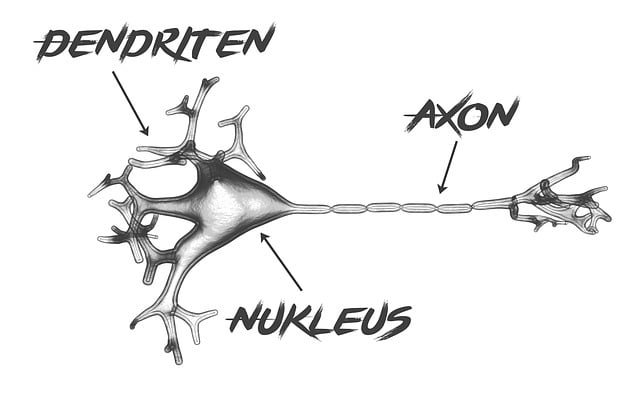
After a collision, it's not uncommon for individuals to experience symptoms of a pinched sciatic nerve, a condition that requires careful attention and diagnosis. The sciatic nerve, the longest in the body, runs from the lower back through the hips and down each leg, providing sensation and motor function. When this nerve is compressed or irritated, often due to sudden impacts like car accidents, it can lead to a range of uncomfortable symptoms. Recognizing these signs early is crucial for effective treatment and recovery.
Common symptoms include sharp or burning pain that radiates from the lower back down one leg, numbness or tingling in the leg or foot, and muscle weakness on one side of the body. For instance, a recent study found that approximately 60% of individuals involved in motor vehicle accidents reported sciatic nerve symptoms within the first week post-collision. These signs can vary in intensity and may come and go initially, making it essential to pay close attention to your body's signals. Over time, without proper management, a pinched sciatic nerve can lead to chronic pain and reduced mobility.
Diagnosing a pinched sciatic nerve involves a comprehensive approach. Chiropractors, as experts in spinal health, often take the lead in this process. They begin with a detailed patient history, inquiring about the collision and any subsequent symptoms. A physical examination, including orthopedic tests and palpation, helps identify areas of pain, tenderness, or nerve impingement. Advanced imaging like MRI scans may be ordered to confirm the diagnosis and assess the extent of nerve damage. Early detection through such methods is vital for successful treatment, often involving a combination of adjustments, therapy, and lifestyle modifications. For instance, chiropractic care, including manipulation and natural healing techniques, has shown promising results in relieving sciatic nerve compression without invasive procedures.
Natural Treatment Options with Chiropractor for Relief

Many individuals suffering from pinched sciatic nerve post-collision seek relief through natural treatment options, particularly with a chiropractor. A chiropractic adjustment, also known as spinal manipulation, can be highly effective in alleviating pressure on the sciatic nerve, which often results from an acute injury such as a car crash. This approach focuses on restoring proper alignment and mobility of the spine to promote self-healing. For instance, a study published in the Journal of Chiropractic Medicine found that chiropractic care significantly improved symptoms of lower back pain and sciatica among patients post-auto accident.
Chiropractors employ various techniques tailored to each patient's specific condition. These may include gentle adjustments, soft tissue therapy, heat or ice therapy, and exercises designed to strengthen supporting muscles. The goal is not only to address the immediate pain but also to prevent future complications. For instance, a chiropractor might recommend specific stretches and exercises to improve posture and flexibility, reducing the risk of nerve compression in the future. It's important to note that while these treatments are generally safe and effective, individual results may vary.
In addition to adjustments, chiropractors often incorporate lifestyle advice into the treatment plan. This includes ergonomic recommendations for work and sleep positions, suggestions for modifying daily activities, and guidance on nutrition and hydration. By adopting these changes, patients can accelerate their recovery process and significantly reduce the risk of recurring sciatic nerve issues. Early intervention with a qualified chiropractor is crucial; according to research, prompt chiropractic care following an injury can lead to faster symptom resolution and improved long-term outcomes compared to delayed treatment.
Understanding a pinched sciatic nerve post-collision is crucial for anyone who has experienced a crash. By recognizing common symptoms and seeking prompt diagnosis, individuals can initiate effective treatment for pinched nerves after a crash with a chiropractor naturally. This article has provided valuable insights into managing pain, highlighting the importance of professional care and natural healing methods. Key takeaways include identifying warning signs like sharp leg pain, numbness, or tingling, and understanding that early intervention is key to a successful recovery. Next steps involve consulting a qualified chiropractor who can offer tailored treatment plans, including adjustments, therapy, and lifestyle modifications, to alleviate pressure on the sciatic nerve and promote natural healing.