
A pinched sciatic nerve after a collision requires prompt chiropractic treatment for pinched nerves after a crash. Chiropractors use natural methods like manual spine adjustments, targeted exercises, and lifestyle modifications to reduce nerve pressure, restore function, alleviate pain, and prevent long-term damage. Early intervention is crucial.
The sciatic nerve, a vital pathway stretching from the lower back to the legs, is prone to compression after traumatic events like car collisions. A pinched sciatic nerve post-collision can lead to debilitating pain, numbness, or tingling, significantly impacting mobility and quality of life. Chiropractors offer a natural treatment for pinched nerves after a crash, focusing on adjusting the spine and surrounding structures to relieve pressure on the nerve. This article delves into the mechanisms behind sciatic nerve entrapment, explores common symptoms, and highlights evidence-based chiropractic techniques as a safe, effective solution for recovery and long-term nerve health.
- Understanding Pinched Sciatic Nerve After Collisions
- Diagnosing and Evaluating the Condition Naturally
- Comprehensive Treatment Options for Relief after a Crash with Chiropractor
Understanding Pinched Sciatic Nerve After Collisions
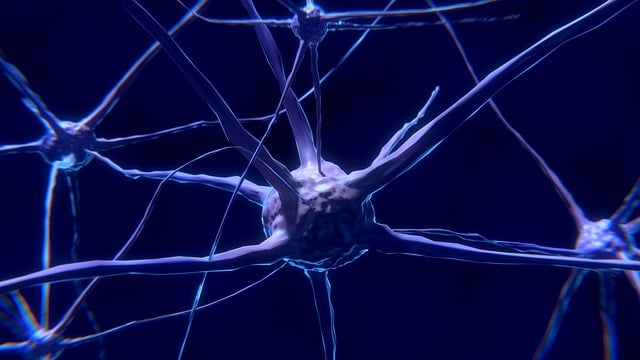
A pinched sciatic nerve following a collision can significantly impact an individual's mobility and overall well-being. This condition arises when the sciatic nerve, the longest nerve in the body, becomes compressed or irritated due to trauma, typically from car accidents or other high-impact events. Understanding this issue is crucial for effective management and recovery, especially considering its potential long-term effects if left untreated. Chiropractors play a pivotal role in diagnosing and providing natural treatment for pinched nerves after a crash, offering non-invasive approaches that can alleviate pain and restore nerve function.
The sciatic nerve travels from the lower back through the hips and down each leg, supplying feeling and power to various muscles. A pinch or compression at any point along this path can result in symptoms such as sharp or burning pain, numbness, or weakness in one or both legs. Motor vehicle collisions are a common cause due to the rapid deceleration forces that can exceed the body's natural shock-absorbing mechanisms. For instance, research indicates that up to 40% of whiplash victims experience lower back and leg pain, suggesting a high prevalence of pinched nerves after accidents. Early intervention is key; prompt evaluation by a qualified healthcare provider can help prevent nerve damage from becoming chronic.
Chiropractors employ various techniques to treat pinched sciatic nerves, focusing on reducing pressure on the affected nerve and improving overall neural integrity. This may involve manual adjustments to the spine, targeted exercises, and lifestyle modifications. For example, a chiropractor might use specific spinal manipulation techniques to correct misalignments in the lower back that could be compressing the sciatic nerve. Additionally, they may recommend stretching and strengthening exercises tailored to relieve pressure on the nerve and support the body's natural healing process. The goal is to restore nerve function, alleviate pain, and prevent future occurrences through a comprehensive, patient-centric approach.
Diagnosing and Evaluating the Condition Naturally

A pinched sciatic nerve post-collision can significantly impact an individual's mobility and overall quality of life. Diagnosing this condition naturally involves a comprehensive evaluation process that considers both physical examination and patient history. Chiropractors play a pivotal role in identifying and treating pinched nerves after a crash, focusing on non-invasive methods to alleviate pain and restore nerve function.
The initial step in the evaluation is a detailed medical history, where the chiropractor delves into the specifics of the collision, including the nature of impact, duration, and any immediate symptoms experienced by the patient. This information provides critical insights into potential causes and helps differentiate between various conditions. Subsequently, a thorough physical examination is conducted, often including orthopedic tests and nerve sensitivity assessments to pinpoint the affected area and confirm the diagnosis of a pinched sciatic nerve.
Chiropractors employ a range of natural treatments for pinched nerves after a crash, such as spinal manipulation and adjustment techniques, which can help relieve pressure on the nerve and restore its function. Additionally, they may recommend specific exercises and stretching routines tailored to the patient's needs, promoting enhanced flexibility and strength in the affected area. Lifestyle modifications, such as improving posture and adopting ergonomically sound practices, are also integral parts of a comprehensive treatment plan. These natural approaches not only provide effective relief from pain but also empower individuals with tools for long-term nerve health management.
Comprehensive Treatment Options for Relief after a Crash with Chiropractor

After a collision, experiencing pain in the lower back or leg can be a common concern, often indicating a pinched sciatic nerve. This condition arises from pressure on the sciatic nerve, which runs from the lower back through the hips and down each leg. Chiropractors play a vital role in providing effective treatment for pinched nerves after a crash, focusing on natural approaches to alleviate pain and promote healing.
Chiropractic care offers a range of options tailored to address the underlying causes of sciatic nerve compression. One common method involves manual adjustments to the spine, where the chiropractor applies precise force to restore joint mobility and reduce pressure on the nerve. This technique, known as spinal manipulation, can significantly alleviate pain and improve nerve function. For instance, research shows that chiropractic care is effective in managing low back pain, a common symptom associated with pinched nerves, offering patients non-pharmaceutical relief.
Additionally, chiropractors may incorporate other treatments such as heat or ice therapy, electrical stimulation, and targeted exercises into the patient's plan. These modalities work synergistically to reduce inflammation, improve circulation, and strengthen supporting muscles, all of which contribute to a more effective treatment for pinched nerves after a crash naturally. For example, electrical stimulation has been shown to modulate pain signals, providing patients with relief during the healing process. Moreover, chiropractors often educate patients on posture and movement modifications to prevent future nerve compression, ensuring long-term benefits.
Understanding a pinched sciatic nerve post-collision is crucial for those involved in accidents. This article has provided an in-depth guide to diagnosing and evaluating this condition naturally, highlighting the importance of seeking professional help from a chiropractor. The comprehensive treatment options discussed offer natural relief, emphasizing the role of chiropractic care in managing pain after a crash. Key takeaways include recognizing symptoms, understanding diagnostic methods, and exploring diverse treatment approaches for optimal nerve health. By implementing these insights, individuals can take proactive steps towards recovery, ensuring a more comfortable and efficient path to healing naturally with treatment for pinched nerves after a crash with a chiropractor.