
A car accident can cause pinched nerves due to trauma or strain, leading to discomfort and limited mobility. Chiropractors offer a natural treatment for pinched nerves after a crash focusing on non-invasive techniques like manual therapy, exercises, heat/ice therapy, relaxation, and postural adjustments. Early intervention is crucial to prevent long-term damage and reduce symptom severity. Regular chiropractic sessions, at-home exercises, and lifestyle modifications under chiropractor guidance have shown significant enhancement in recovery, providing relief without surgery or medication.
Auto accidents can cause a myriad of injuries, among them, pinched nerves—a painful condition often overlooked but requiring prompt attention. Pinched nerves after a crash are a common and distressing experience, leading to discomfort, limited mobility, and even long-term damage if left untreated. This article delves into the causes and offers a comprehensive guide to relief, focusing on natural treatments, particularly the role of chiropractic care in addressing pinched nerves after a vehicle incident. By exploring evidence-based methods, we aim to provide valuable insights for those seeking effective, non-invasive solutions.
- Understanding Pinched Nerves After a Crash
- Diagnosis & Natural Treatment Options
- Chiropractor-Guided Recovery for Long-Term Relief
Understanding Pinched Nerves After a Crash
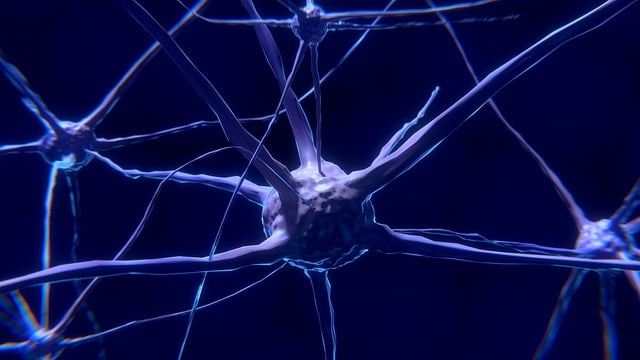
After a car accident, many individuals experience unexpected symptoms, including pinched nerves. A pinched nerve occurs when there is pressure or compression on a nerve, often due to trauma or strain during the crash. This can result in sharp pain, numbness, or tingling sensations that may radiate through the affected area and even extend down the limbs. Understanding how pinched nerves manifest after an accident is crucial for effective management and recovery.
The impact of a motor vehicle collision can lead to various injuries, and pinched nerves are not uncommon. Chiropractors often see cases where the force of the impact causes compression on nerves near the spine or at specific points along the body. For example, whiplash, a common injury in rear-end collisions, can put stress on the neck and upper back muscles, potentially pinching nerves serving these areas. Similarly, direct trauma to the torso or limbs during the crash may cause pinched nerves, especially if there is underlying structural misalignment or pre-existing conditions.
Treatment for pinched nerves after a crash typically involves a combination of approaches, with many seeking natural remedies. Chiropractors play a vital role in managing these conditions through targeted adjustments and manipulative techniques to reduce nerve compression. Spinal manipulation, for instance, can help restore normal joint motion, alleviate pressure on affected nerves, and promote healing. In addition to adjustments, chiropractors may employ therapeutic modalities such as heat or ice therapy, electrical stimulation, and specialized exercises to support the recovery process. Early intervention is key, as prompt treatment can potentially prevent long-term nerve damage and reduce the severity of symptoms associated with pinched nerves after an accident.
Diagnosis & Natural Treatment Options

After a car accident, it's not uncommon to experience pinched nerves, which can lead to significant discomfort and limited mobility. Diagnosis involves a thorough evaluation by a medical professional, often starting with a detailed patient history and physical examination. Chiropractors are particularly equipped to assess such conditions, utilizing their expertise in neuromusculoskeletal disorders. They may employ imaging studies like X-rays or MRIs to rule out more severe injuries while focusing on nerve compression as the primary culprit.
The natural treatment approach for pinched nerves after a crash emphasizes non-invasive techniques and lifestyle adjustments. Chiropractor-guided care typically includes manual therapy, such as spinal manipulation and joint mobilization, to relieve pressure on the affected nerves. Additionally, they may recommend specific exercises tailored to strengthen the muscles around the injured area, thereby reducing nerve compression. Examples of natural treatments include heat or ice therapy, relaxation techniques, and postural adjustments to improve overall body alignment. Studies have shown that chiropractic care can significantly enhance recovery for pinched nerve conditions, offering relief without the need for surgery or prescription medication.
For optimal results, patients should adhere to a comprehensive treatment plan involving regular sessions with a chiropractor, alongside at-home exercises and lifestyle modifications. This holistic approach ensures a faster recovery, allowing individuals to regain their mobility and alleviate pain associated with pinched nerves post-accident. Early intervention and adherence to expert advice are key to achieving long-lasting relief.
Chiropractor-Guided Recovery for Long-Term Relief

Chiropractor-guided recovery offers a promising path for individuals seeking long-term relief from pinched nerves resulting from auto accidents. This natural treatment approach focuses on addressing the underlying structural misalignments that can lead to nerve compression, providing not just temporary symptom alleviation but also lasting improvements in mobility and comfort. Chiropractors utilize a range of techniques, including gentle adjustments, specific exercises, and therapeutic modalities, to correct spinal misalignments and reduce pressure on affected nerves.
One of the key advantages of chiropractor-guided recovery is its holistic nature. Unlike surgical interventions or pharmacological treatments that may offer quick relief but can have side effects and limited longevity, chiropractic care takes into account the interconnectedness of the body's systems. By addressing the root cause of nerve compression, chiropractors empower individuals to regain control over their pain management and avoid the cyclical dependency often associated with prescription medications. Research supports the effectiveness of chiropractic care for pinched nerves, with studies showing significant improvements in pain levels and functional capacity among patients receiving regular chiropractic adjustments.
The treatment plan tailored by a chiropractor for pinched nerves after a crash typically involves a combination of hands-on therapy and patient education. Patients can expect a personalized approach that may include spinal adjustments to alleviate pressure on pinched nerves, specific stretching and strengthening exercises to improve posture and flexibility, as well as guidance on ergonomic modifications and lifestyle changes to prevent future nerve compression. Regular follow-up visits ensure ongoing assessment and adjustment of the treatment plan, fostering continuous progress and long-term wellness.
After a car accident, understanding pinched nerve relief is crucial for a successful recovery. The article highlights that treatment for pinched nerves after a crash can involve both natural methods and professional care. Key insights include recognizing the role of chiropractors in diagnosing and providing natural treatment options for pinched nerves. Chiropractor-guided recovery offers long-term relief by addressing the underlying causes, not just managing symptoms. By combining these approaches, individuals can effectively navigate their journey towards healing, ensuring a comprehensive and holistic recovery process.