
Auto accidents can cause pinched nerves leading to discomfort and reduced mobility. Chiropractors offer effective treatment for pinched nerves after a crash through specialized techniques like manual adjustments, specific exercise programs, and spinal manipulation backed by research. Early intervention, including comprehensive assessments and tailored plans, aids in recovery. Chiropractic care provides a holistic approach, focusing on both symptoms and underlying structural issues, to restore alignment, reduce inflammation, and enhance mobility, with significant pain and disability reductions supported by studies.
Auto accidents can cause a host of injuries, among them, pinched nerves—a painful condition often overlooked but significantly impacting victims' lives. A pinched nerve results from pressure on the spinal nerves, leading to tingling, numbness, or sharp pain radiating through the body. This article delves into the aftermath of such accidents, focusing on relief strategies for pinched nerve suffering. We explore the role of chiropractic care, specifically highlighting its natural treatment for pinched nerves after a crash as a non-invasive approach to recovery. By understanding these options, victims can navigate their path to healing with confidence and expertise.
- Understanding Pinched Nerves After an Accident
- Diagnosing and Treating Nerve Compression Naturally
- Chiropractic Care: A Holistic Approach for Relief
Understanding Pinched Nerves After an Accident
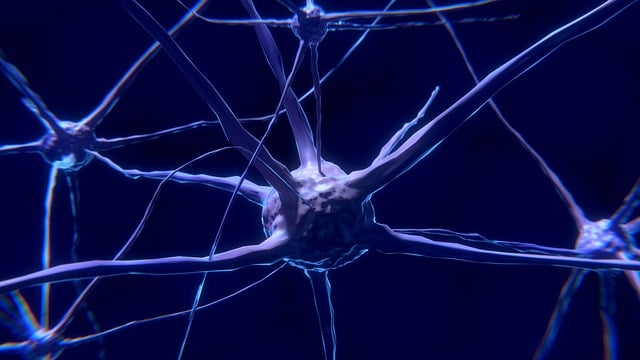
Pinched nerves after an auto accident can cause significant discomfort and impact daily life. When a crash occurs, the sudden force and trauma can lead to nerve compression or irritation in various parts of the body. This condition often goes undiagnosed due to its subtle symptoms, but it can significantly affect mobility and overall well-being. Understanding pinched nerves following an accident is crucial for effective management and recovery.
Chiropractors play a vital role in diagnosing and providing treatment for pinched nerves after a crash. They employ specialized techniques, such as manual adjustments and specific exercise programs, to alleviate pressure on the affected nerves. One of the natural yet powerful treatment options is spinal manipulation, which has shown promising results in numerous studies. For instance, research indicates that chiropractic care can effectively reduce pain and improve function in individuals with whiplash-related nerve compression. This non-invasive approach not only offers relief but also promotes the body's natural healing mechanisms.
The initial step after an accident is to seek medical attention promptly. Chiropractors can conduct comprehensive assessments, utilizing diagnostic imaging and nerve conduction tests to pinpoint the source of pain. Once identified, a tailored treatment plan can be devised, which may include regular adjustments, physical therapy, and patient education. For example, patients with pinched nerves in the neck might benefit from specific cervical manipulation techniques combined with gentle stretching exercises. By addressing the root cause and implementing targeted interventions, individuals can find lasting relief and regain their mobility post-accident.
Diagnosing and Treating Nerve Compression Naturally

After an auto accident, it's not uncommon to experience nerve compression, leading to pain, numbness, or tingling sensations. One effective approach to diagnosing and treating these pinched nerves naturally is through chiropractic care. Chiropractors are experts in the musculoskeletal system and nervous system, making them well-equipped to identify and address issues related to nerve compression.
The initial step in treatment involves a thorough examination, where the chiropractor assesses your posture, range of motion, and reflexes. They may use specific diagnostic techniques, such as x-rays or nerve conduction studies, to pinpoint the affected area and the extent of nerve damage. Unlike surgical interventions, which are often considered last resorts, natural treatments like chiropractic care focus on conservative methods to alleviate pressure on pinched nerves after a crash. This approach not only reduces recovery time but also minimizes the risk of complications associated with more invasive procedures.
Chiropractic manipulation, or spinal adjustment, is a common technique used to relieve nerve compression. This hands-on therapy involves applying controlled, sudden force to specific joints in the spine, which can help restore normal function and reduce pain signals to the affected nerves. For instance, research suggests that chiropractic care for whiplash-related neck pain, a frequent consequence of car accidents, can lead to significant improvements in symptoms within just a few weeks of treatment. Additionally, chiropractors may recommend specific exercises or stretches to strengthen supporting muscles, improve posture, and prevent future nerve compression.
Natural remedies, such as heat or ice therapy, massage, and over-the-counter pain medications, can also complement chiropractic care. These treatments work in conjunction with adjustments to promote healing and reduce inflammation. It's crucial to follow the chiropractor's guidance on self-care practices and return for scheduled appointments to ensure the nerve compression is effectively treated and prevents long-term damage. Early intervention and adherence to a comprehensive treatment plan are key to achieving optimal outcomes for pinched nerves after a crash, naturally.
Chiropractic Care: A Holistic Approach for Relief

Chiropractic care offers a holistic approach to pinched nerve relief after an auto accident, focusing on the body's natural ability to heal and recover. This non-invasive treatment for pinched nerves after a crash with a chiropractor naturally addresses not just the symptoms but also the underlying structural issues that can cause chronic pain. Chiropractors use a range of techniques including spinal manipulation, joint mobilization, and therapeutic exercises to improve mobility, reduce inflammation, and restore alignment.
Research supports the effectiveness of chiropractic care in managing pain resulting from motor vehicle accidents. A study published in the Journal of Manipulative and Physiological Therapeutics found that patients receiving chiropractic treatment reported significant reductions in pain and disability compared to those who opted for traditional medical care. Additionally, a meta-analysis in Spine Journal revealed that spinal manipulation by chiropractors led to better short-term outcomes in patients with acute neck pain following car crashes.
The holistic nature of chiropractic care means it considers not just the affected area but also the interconnected systems within the body. For instance, a pinched nerve in the back can refer pain to the legs, and a chiropractor will address both areas to ensure comprehensive relief. This approach allows for personalized treatment plans that cater to individual needs, promoting faster recovery and improved overall health. Chiropractors may also incorporate lifestyle advice such as ergonomic adjustments at home or work, proper lifting techniques, and stress management strategies to enhance the effectiveness of treatment.
After an auto accident, understanding and addressing pinched nerves promptly is crucial for optimal recovery. The article has provided valuable insights into recognizing and managing nerve compression resulting from such incidents. Key takeaways include the importance of natural treatments like chiropractic care, which offers a holistic approach to relieve pressure on affected nerves. By combining knowledge about diagnosing nerve compression with practical steps like seeking professional chiropractic assistance, individuals can effectively manage their pain and promote healing after a crash. This comprehensive guide empowers readers to take proactive measures towards finding relief from pinched nerves, ensuring a more comfortable road to recovery.