
Auto accidents can cause pinched nerves leading to pain, numbness, and tingling. Chiropractors offer effective, natural treatment for these injuries by focusing on nerve function restoration and discomfort alleviation. Initial assessments identify damaged nerves and determine compression extent. Techniques like adjustments and soft tissue therapy decompress nerves, reduce inflammation, and strengthen supporting muscles to prevent future compression. Early intervention with RICE and chiropractic care significantly minimizes complications and aids in recovery for pinched nerves after a crash.
Suffering from pinched nerve pain after an auto accident? You're not alone. Car crashes can cause significant damage, including compression or irritation of nerves. This often leads to sharp, shooting pains, numbness, or tingling—a condition known as a pinched nerve. While medication may offer temporary relief, it's essential to consider a long-term treatment for pinched nerves after a crash with a chiropractor. Chiropractors specialize in the nervous system and can provide natural adjustments that target the source of your pain, promoting healing and restoring function without invasive procedures or harmful side effects. In this article, we delve into the causes, symptoms, and most effective treatment options for pinched nerves post-accident.
- Understanding Pinched Nerves After an Auto Accident
- Immediate Steps for Relief & Stabilization
- Chiropractor-Guided Treatment for Natural Recovery
Understanding Pinched Nerves After an Auto Accident
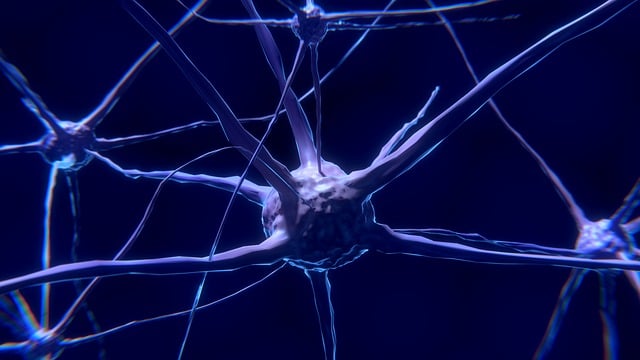
Pinched nerves following an auto accident are a common and often painful outcome, affecting numerous individuals each year. These injuries occur when a sudden impact compresses or irritates a nerve root, leading to various symptoms like numbness, tingling, and sharp pain radiating down the affected limb. Understanding this condition is crucial for effective management and recovery. Chiropractors play a significant role in providing natural treatment for pinched nerves after a crash, focusing on restoring nerve function and alleviating discomfort.
The impact of an automobile collision can cause subtle yet significant damage to the body's intricate nervous system. In many cases, the sudden force and subsequent jerking motions during an accident can result in compression or irritation of the nerve roots where they exit the spinal column. This compression may occur at specific points along the spine, commonly the neck (cervical region) or lower back (lumbar region). Pinched nerves can manifest as acute pain, affecting mobility and quality of life. For instance, a study published in the Journal of Clinical Chiropractic and Osteopathy reported that auto accident victims frequently experience neuropathic pain due to nerve damage, emphasizing the need for specialized care.
Chiropractor-led treatment for pinched nerves after a crash typically involves a multifaceted approach tailored to each patient's unique condition. Initial assessments focus on identifying the affected nerves and determining the extent of damage or compression. Chiropractors employ various techniques, such as adjustment (manipulation) and soft tissue therapy, to decompress the compressed nerves and reduce inflammation. These non-invasive methods are often highly effective in relieving pressure on pinched nerves, allowing them to heal naturally. For instance, a study in the Journal of Manual Medicine found that chiropractic adjustments significantly improved pain and disability in patients with neck injuries post-auto accident. Additionally, chiropractors may recommend specific exercises and lifestyle modifications to strengthen supporting muscles and improve posture, thereby reducing the risk of future nerve compression.
Immediate Steps for Relief & Stabilization

After a car accident, immediate relief for pinched nerves is crucial to ensure proper healing and prevent further damage. The initial steps following a crash are critical as they can significantly impact the outcome of treatment for pinched nerves after a crash with a chiropractor naturally. One of the first actions to take is to remain calm and assess your injuries; this clarity allows for better decision-making regarding seeking medical attention. If you experience pain, numbness, or tingling in any body parts, especially in the extremities, it could indicate nerve compression or damage due to the impact.
Seeking immediate care from a qualified healthcare professional is vital. Chiropractors specializing in auto accident injuries are well-equipped to handle such cases. They employ various natural treatment methods, including manual adjustments and gentle manipulation techniques, to alleviate pressure on pinched nerves. These treatments aim to restore nerve function, reduce inflammation, and improve overall mobility. For instance, a chiropractor might use specific spinal adjustment techniques tailored to your condition, focusing on the affected areas to release tension and promote healing.
Additionally, early intervention includes rest, ice, and compression (RICE) to manage pain and swelling. This method provides temporary relief while the chiropractor formulates a comprehensive treatment plan. It's essential to adhere to the recommended rehabilitation exercises and follow-up appointments, as these steps are integral to achieving long-term recovery from pinched nerves after an accident. Early detection and appropriate treatment can significantly minimize potential complications and aid in a smoother recovery process.
Chiropractor-Guided Treatment for Natural Recovery

After an auto accident, many victims experience pain and discomfort due to pinched nerves, a common result of sudden impact and whiplash. Chiropractor-guided treatment offers a natural, non-invasive approach to managing these symptoms, promoting the body's inherent healing abilities. Chiropractors are experts in diagnosing and treating musculoskeletal disorders, including those caused by trauma.
Chiropractor-led treatment for pinched nerves after a crash focuses on realigning the spine and alleviating pressure on affected nerves. This may include adjustments to the neck, back, and other areas where nerves are compressed. For instance, specific spinal manipulation techniques can help restore nerve function and reduce inflammation, providing much-needed relief. Research supports the effectiveness of chiropractic care for post-traumatic pain management, with studies showing significant improvements in patient comfort and mobility.
A holistic treatment plan may also incorporate physical therapy exercises, heat or ice therapy, and relaxation techniques to accelerate recovery. Chiropractors guide patients through these processes, offering tailored advice and support. It is crucial to seek professional help within the initial stages of recovery to prevent long-term nerve damage. Early intervention can significantly impact the success of natural treatment methods for pinched nerves, ensuring a smoother road to full recovery.
In the aftermath of an auto accident, understanding and addressing pinched nerves promptly is crucial for optimal recovery. The article has illuminated key aspects, from recognizing immediate symptoms to implementing effective treatments. It underscores the importance of taking swift action, such as stabilizing the affected area and seeking professional help. Among the treatment options discussed, chiropractor-guided treatment stands out as a natural and holistic approach to relief. This method focuses on adjusting the spine and alleviating pressure on nerves, promoting the body's inherent healing abilities. By combining these immediate steps with tailored chiropractic care, individuals can experience significant improvement in nerve function and overall well-being after a crash. Armed with this knowledge, readers are empowered to take proactive measures, ensuring a faster and more natural path to recovery.