
After a collision, pinched sciatic nerves are common due to compression or irritation. Chiropractors, experts in musculoskeletal disorders, offer effective treatment options including adjustments, exercises, and lifestyle changes to relieve pain, restore mobility, and prevent future injuries. Prompt care with imaging scans, physical therapy, and good posture is crucial for recovery.
After a collision, a pinched sciatic nerve can cause debilitating pain radiating from your lower back to your leg. Understanding this condition is crucial for effective treatment and recovery. This article delves into the intricacies of pinched sciatic nerves post-collisions, offering insights into diagnosis, treatment options guided by chiropractors, and proven strategies for overcoming discomfort after a crash. Discover how a chiropractor-assisted approach can help alleviate symptoms and accelerate your journey to relief.
- Understanding Pinched Sciatic Nerves After Collisions
- Chiropractor-Assisted Diagnosis and Treatment Options
- Recovery Strategies for Effective Relief Post-Crash
Understanding Pinched Sciatic Nerves After Collisions
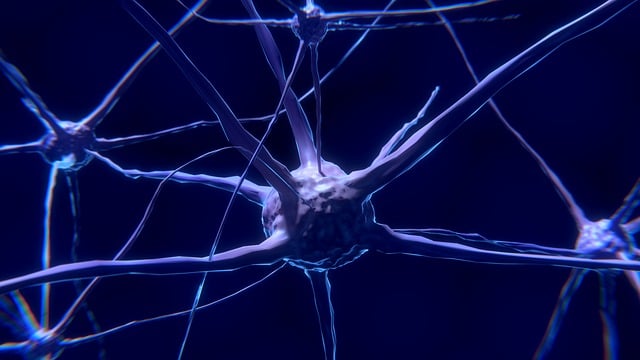
After a collision, understanding a pinched sciatic nerve is crucial. The sciatic nerve, which runs from your lower back through your hips and down each leg, can become compressed or irritated during an accident. This condition is often referred to as a pinched sciatic nerve, and it's not uncommon for individuals involved in car crashes or other traumatic events to experience this issue. Symptoms may include sharp pain, numbness, or tingling sensations radiating from the lower back into the leg.
If you suspect a pinched sciatic nerve after a crash, seeking treatment from a chiropractor is an excellent step. Chiropractors are experts in diagnosing and treating musculoskeletal disorders, including those related to nerve compression. They employ various techniques, such as adjustments and manipulation, to relieve pressure on the affected nerve and promote healing. Additionally, they may offer guidance on exercises, stretching routines, and lifestyle modifications to support recovery and prevent future occurrences of a pinched sciatic nerve.
Chiropractor-Assisted Diagnosis and Treatment Options

When dealing with a pinched sciatic nerve post-collision, a chiropractor can play a crucial role in diagnosis and treatment. These professionals are experts in spinal manipulation and can employ various techniques to assess the severity of the condition. During the initial consultation, the chiropractor will thoroughly examine your back, legs, and reflexes to identify the source of pain. They may also order imaging tests like X-rays or MRIs for a more detailed look at the affected area.
The treatment options offered by a chiropractor for pinched nerves after a crash are diverse. This can include manual adjustments to realign the spine, targeted exercises to strengthen muscles and improve flexibility, and therapeutic modalities such as heat or ice packs. Chiropractors may also recommend lifestyle changes like improved posture, ergonomic adjustments, and specific stretches to help alleviate pressure on the sciatic nerve. These tailored interventions aim to reduce pain, restore mobility, and prevent future injuries.
Recovery Strategies for Effective Relief Post-Crash

After a collision, seeking prompt treatment for a pinched sciatic nerve is crucial for effective recovery. Chiropractors are often recommended as they specialize in diagnosing and treating musculoskeletal disorders, including issues related to the nervous system. The initial step involves assessing the extent of damage through various techniques, such as imaging scans, to pinpoint the affected areas.
Chiropractic care for a pinched sciatic nerve typically includes adjustments to realign the spine, releasing pressure on the nerve roots. Other recovery strategies may include physical therapy, targeted exercises, and lifestyle modifications. Rest and ice packs can provide immediate relief, while heat therapy promotes blood flow to aid healing. Additionally, maintaining good posture and avoiding repetitive strains can prevent further complications post-crash.
After a collision, experiencing pain in your lower back or leg due to a pinched sciatic nerve can be debilitating. A chiropractor's expertise in diagnosing and treating such conditions offers a promising path to recovery. By combining manual adjustments, targeted exercises, and patient-specific care plans, chiropractors address the root cause of the problem, providing effective relief for those who've suffered this injury post-crash. Remember, early intervention and adherence to tailored recovery strategies significantly enhance the chances of a full and speedy recovery.