
Nerve compression injuries from traumatic events like car crashes respond well to chiropractic treatment for pinched nerves after a crash. Chiropractors use diagnostic techniques, including physical exams and imaging, to identify misalignments causing nerve compression. Their natural treatment involves manual manipulation, soft tissue therapies, heat/ice therapy, and tailored exercises. Research shows chiropractic care significantly improves nerve-related trauma outcomes, offering effective relief from pain and promoting recovery.
Nerve compression injuries following a crash are a significant concern for many individuals. The sudden impact can lead to pinched nerves, causing acute pain and mobility issues. Fortunately, a qualified chiropractor offers an effective treatment for pinched nerves after a crash, providing a natural approach to relief. Chiropractors are experts in the musculoskeletal system, skilled in diagnosing and addressing nerve entrapment. This article delves into the role of chiropractic care as a safe and holistic solution, offering a comprehensive understanding of how these professionals can alleviate pain and expedite recovery for those affected by such injuries.
- Understanding Nerve Compression Injuries: Causes & Symptoms
- Chiropractor Care for Pinched Nerves After a Crash
- Natural Treatment Approaches for Optimized Healing
Understanding Nerve Compression Injuries: Causes & Symptoms
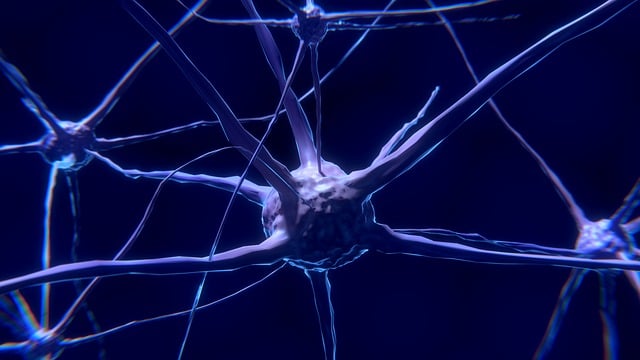
Nerve compression injuries, often resulting from sudden impacts or traumatic events like a car crash, can significantly impact an individual's mobility and overall well-being. Understanding these injuries is paramount in effective treatment planning. Chiropractors play a pivotal role in managing such conditions, offering natural treatment for pinched nerves after a crash.
Common causes of nerve compression include motor vehicle accidents, sports injuries, or repetitive strain from work-related activities. In the context of a crash, trauma can lead to spinal misalignments and compressed nerves, resulting in pain, numbness, or weakness in various body parts. Symptoms may manifest immediately or develop over time, affecting the arms, legs, back, or neck. For instance, a pinched nerve in the neck post-accident could cause headaches, shoulder pain, and reduced arm mobility. Timely intervention is crucial; early chiropractic care can aid in reducing inflammation, promoting nerve healing, and alleviating symptoms.
Chiropractors employ various diagnostic techniques to identify nerve compression, including physical examinations, imaging studies, and patient history analysis. They may utilize specific adjustment techniques to correct spinal misalignments, decompress nerves, and restore joint function. The goal of treatment is not only to alleviate pain but also to prevent long-term complications. For example, a study published in the Journal of Chiropractic Medicine found that chiropractic care significantly improved nerve compression symptoms post-motor vehicle accidents, offering patients natural relief without invasive procedures. Chiropractors may also recommend lifestyle modifications, exercises, and stretching routines to reinforce healing and reduce future risks.
Chiropractor Care for Pinched Nerves After a Crash

Chiropractors are often sought after for nerve compression injuries, especially following motor vehicle accidents, due to their specialized expertise in diagnosing and treating musculoskeletal disorders. A crash can result in various spinal misalignments and nerve entrapments that may go unnoticed initially but lead to significant pain and discomfort if left untreated. The treatment for pinched nerves after a crash with a chiropractor focuses on addressing these underlying issues to promote healing and restore nerve function.
Chiropractor care for pinched nerves involves a comprehensive approach, beginning with a thorough examination to identify the source of compression. This may include manual manipulation, diagnostic imaging, and other advanced techniques to assess nerve damage and spinal alignment. Once identified, specific adjustment techniques are employed to correct misalignments, relieve pressure on the affected nerves, and improve overall neurological integrity. For instance, a chiropractor might use spinal adjustments, joint mobilization, or specialized instrument-assisted techniques to safely and effectively realign the spine and alleviate nerve compression.
Additionally, chiropractors often incorporate therapeutic modalities such as heat/cold therapy, electrical stimulation, and soft tissue release to enhance healing and reduce pain. They may also provide guidance on posture correction, ergonomic adjustments, and exercises to strengthen supporting muscles, thereby preventing future nerve compression injuries. Studies have shown that chiropractic care can significantly improve outcomes for patients with nerve-related conditions resulting from trauma, offering natural and effective treatment for pinched nerves after a crash.
Natural Treatment Approaches for Optimized Healing

Chiropractors are renowned for their non-invasive approach to treating nerve compression injuries, offering a range of natural treatment options for optimal healing. When it comes to injuries sustained from a crash, such as whiplash or other traumatic events, a chiropractor can play a pivotal role in managing pain and promoting recovery. One of the primary goals is to alleviate pressure on pinched nerves, which are often a result of soft tissue damage, muscle spasms, or misaligned vertebrae.
The treatment for pinched nerves after a crash with a chiropractor naturally involves a multi-faceted approach. This may include manual therapy techniques like spinal manipulation and joint mobilization to correct structural imbalances. Additionally, therapists might employ soft tissue therapies, such as deep tissue massage, to relax tight muscles and reduce pressure on the affected nerves. Heat and ice therapy are also valuable tools to manage inflammation and pain. Chiropractors may further recommend specific exercises and stretching routines tailored to the individual's condition, promoting improved flexibility and strength.
Research supports the effectiveness of chiropractic care for nerve-related disorders. A study published in the Journal of Manipulative and Physiological Therapeutics found that chiropractic adjustments significantly reduced pain and improved function in patients with neck pain and associated nerve compression. Moreover, a systematic review in the Journal of Alternative and Complementary Medicine highlighted the positive outcomes of chiropractic care for various forms of nerve entrapment, emphasizing its role as a safe and effective treatment option. By combining these natural treatment approaches, chiropractors enable the body to heal itself while providing guidance on injury prevention and long-term wellness strategies.
In conclusion, this article has provided a comprehensive overview of nerve compression injuries, their causes, and symptoms, with a particular focus on treatment for pinched nerves after a crash using chiropractic care. Key insights include understanding the role of chiropractors in addressing these injuries, especially post-crash, through natural treatment approaches that optimize healing. The value gained includes practical knowledge about effective interventions, highlighting the importance of chiropractic manipulation and natural therapies as viable options for recovery. This authoritative guide equips readers with essential information to make informed decisions regarding their health and well-being after such incidents.