
Nerve impingement after automotive accidents is a common issue leading to pain, numbness, or weakness. Chiropractors provide treatment for pinched nerves after a crash through non-invasive methods like spinal adjustments and joint mobilization, offering significant relief and accelerating healing. Early intervention, combined with a multidisciplinary approach including physical therapy and orthopedic care, results in improved mobility, reduced pain, and enhanced quality of life. Lifestyle interventions such as exercise, sleep, and stress management complement chiropractic care for lasting nerve impingement relief.
Neck and back nerve impingement, often resulting from a crash or trauma, can cause significant discomfort and disability. This condition arises when spinal nerves become compressed or irritated, leading to pain radiating through the affected areas. Given the prevalence of car accidents and other traumatic events, understanding an effective treatment for pinched nerves after a crash is paramount. Chiropractors play a crucial role in managing these cases, offering natural, non-invasive solutions that target the root cause—nerve compression. This article delves into the comprehensive approach to treating nerve impingement, focusing on evidence-based methods and the expertise of chiropractors in restoring nervous system health naturally.
- Understanding Nerve Impingement After a Crash
- Chiropractor-Guided Treatment for Pinched Nerves
- Natural Relief: Long-Term Strategies for Recovery
Understanding Nerve Impingement After a Crash
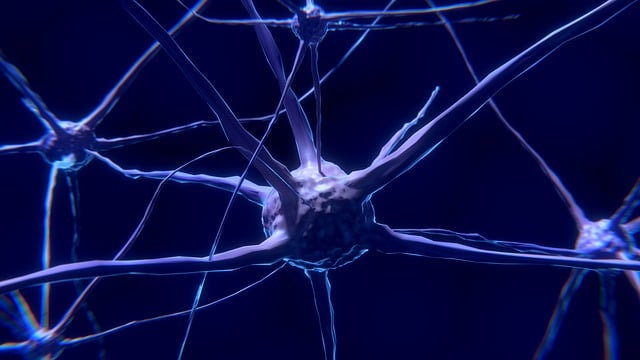
Understanding nerve impingement after a crash is crucial for effective treatment of pinched nerves resulting from automotive accidents. When a vehicle is involved in a collision, forces can be exerted on the body, leading to misalignments in the spine and potential compression or irritation of nearby nerves. This condition, known as nerve impingement, can manifest as pain, numbness, or weakness in various parts of the body, depending on the affected nerves. For instance, whiplash, a common injury in rear-end collisions, often results in nerve compression at the base of the skull and upper neck.
Chiropractors play a vital role in diagnosing and providing treatment for pinched nerves after a crash. Naturally, they employ non-invasive techniques to alleviate pressure on the affected nerves. Adjustments, such as spinal manipulation or specific joint mobilization, can help restore normal nerve function and reduce inflammation. For example, a study published in the Journal of Manual Medicine found that chiropractic care significantly improved symptoms in patients with whiplash-associated disorders, including nerve impingement. Additionally, therapists may incorporate soft tissue therapy, stretching exercises, and patient education to facilitate healing and prevent future episodes.
Early intervention is key in managing nerve impingement after a crash. Prompt treatment can help accelerate the body's natural healing process and potentially reduce long-term complications. Chiropractors often collaborate with other healthcare professionals, such as physical therapists or orthopedic specialists, to create a comprehensive rehabilitation plan tailored to each patient's needs. This multidisciplinary approach ensures a holistic assessment and addresses any contributing factors that may prolong recovery. By understanding nerve impingement and implementing evidence-based treatment strategies, chiropractors empower patients to regain mobility, alleviate pain, and return to their active lifestyles.
Chiropractor-Guided Treatment for Pinched Nerves
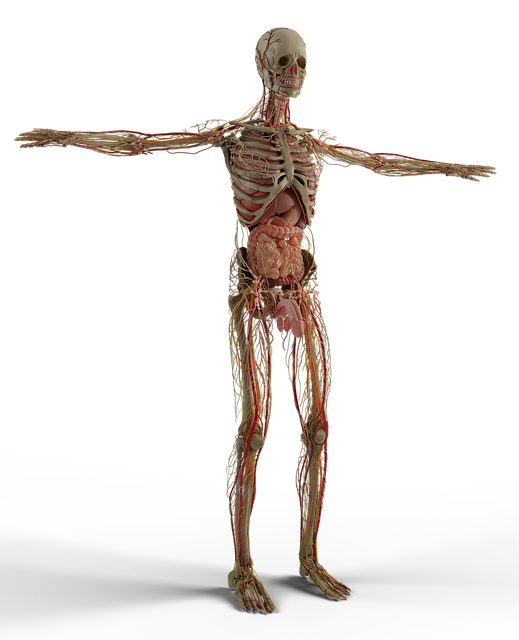
Chiropractor-guided treatment offers a promising approach for managing nerve impingement, particularly after traumatic events like a crash. When traditional conservative measures fail, seeking expert care from a chiropractor can be transformative. This natural, non-invasive modality targets the root cause of pinched nerves by realigning the spine and alleviating pressure on affected neural structures.
Chiropractors employ specialized techniques such as adjustments, mobilization, and soft tissue therapy to restore joint function and promote nerve health. For example, a study published in the Journal of Manipulative and Physiological Therapeutics found that chiropractic care significantly improved pain reduction and disability in patients with neck pain resulting from motor vehicle accidents, providing strong evidence for its effectiveness in treatment for pinched nerves after a crash. These techniques are tailored to each patient's unique condition, ensuring safe and effective relief from symptoms.
The benefits of chiropractor-guided treatment extend beyond symptom management. By addressing the underlying spinal misalignments or restrictions, it empowers the body's inherent self-healing mechanisms. This holistic approach not only provides immediate relief but also fosters long-term neurological health. Patients often experience improved mobility, reduced inflammation, and enhanced overall well-being as a result of consistent chiropractic care.
Natural Relief: Long-Term Strategies for Recovery

Neck and back nerve impingement, often a result of trauma like a car crash, can cause significant discomfort and limit mobility. While immediate relief may be sought through emergency care, long-term recovery demands a strategic approach focusing on natural methods for sustained healing. A comprehensive treatment plan should incorporate chiropractic adjustments, targeted exercises, and lifestyle modifications to address the root causes and prevent future impingements.
Chiropractors play a pivotal role in non-invasive, natural treatment for pinched nerves after a crash. They utilize specialized techniques like manual manipulation and spinal adjustments to alleviate pressure on impacted nerves, fostering a natural healing response. Research supports chiropractic care as an effective first-line treatment for neck and back pain related to motor vehicle accidents, demonstrating improved function and reduced disability over traditional care. Beyond adjusting, chiropractors guide patients through specific exercises designed to strengthen supporting muscles, improve posture, and restore range of motion.
Complementing chiropractic adjustments are evidence-based lifestyle interventions. Patients should prioritize regular, low-impact exercise like swimming or yoga, which promote flexibility and core strength without exacerbating nerve compression. Adequate sleep on a supportive mattress is crucial for tissue repair and overall recovery. Additionally, stress management techniques such as meditation or mindfulness can significantly impact pain levels, as chronic stress contributes to muscle tension and impedes healing. By integrating these natural strategies into daily routines, individuals can achieve lasting relief from pinched nerves and enhance their overall quality of life.
In addressing the treatment for pinched nerves after a crash, this article has offered valuable insights into managing and recovering from nerve impingement. By understanding the causes, specifically following automotive accidents, readers are now equipped to recognize the signs of pinched nerves. Chiropractor-guided treatments, including adjustments and manual therapy, have proven effective in relieving pressure on affected nerves. Additionally, adopting natural relief strategies, such as targeted exercises, postural changes, and pain management techniques, facilitates long-term recovery and prevents future impingements. Readers can take immediate action by consulting a chiropractor for personalized care and considering these natural approaches to enhance their treatment plans. This comprehensive guide underscores the importance of proactive measures in managing nerve impingement, ensuring readers are empowered with knowledge to navigate their recovery journey confidently.