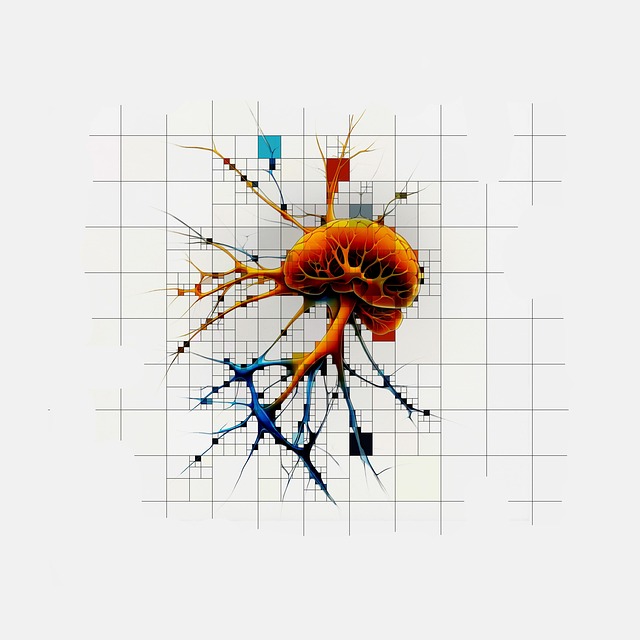
Chiropractors offer effective treatment for pinched nerves after a crash, focusing on spinal manipulation to relieve nerve pressure and restore function. Initial assessment includes exam, imaging, history, and personalized plan with adjustments, therapy, and exercises to heal, improve mobility, prevent damage, and facilitate recovery. Home care, preventive strategies, and ergonomic solutions support long-term relief and reduced risk of recurrence.
Experiencing pain or numbness in your neck and back after a collision? Understandable. A car crash can cause nerve impingement, leading to discomfort and limited mobility. This article guides you through effective solutions for recovery. We explore the role of chiropractors in diagnosing and implementing tailored treatment plans, including manual adjustments and therapeutic techniques. Additionally, discover practical home care tips and preventive strategies to promote healing and avoid future issues. Uncover the benefits of a comprehensive approach, combining professional care with self-management, for optimal nerve impingement relief following a crash.
- Understanding Nerve Impingement After a Crash
- Chiropractor-Assisted Treatment Approaches
- Effective Home Care and Prevention Strategies
Understanding Nerve Impingement After a Crash

After a car crash, it's common for individuals to experience neck and back pain, often accompanied by nerve impingement. This occurs when the sudden force of the collision compresses or irritates nearby nerves. The impact can cause damage to the soft tissues, including muscles, ligaments, and tendons, leading to pinched nerves. Chiropractors are specialists trained in diagnosing and providing effective treatment for such conditions. They employ various techniques to alleviate pressure on the affected nerves, aiming to restore function and reduce pain.
The initial assessment by a chiropractor involves a thorough examination of the spine and nerve pathways. This may include manual manipulation, imaging scans, and patient history to pinpoint the exact location and severity of the impingement. A tailored treatment plan is then devised, often incorporating adjustments, therapy, and exercises. The goal is to promote healing, improve mobility, and prevent further damage, ensuring a faster recovery after the crash-related nerve impingement.
Chiropractor-Assisted Treatment Approaches
Chiropractors employ a variety of non-invasive treatment approaches for nerve impingement, especially following a traumatic event like a crash. One common method is spinal manipulation, where the chiropractor uses their hands or a small instrument to apply controlled force to the affected area, aiming to improve spine alignment and reduce pressure on the nerves. This gentle adjustment can help alleviate pain and restore function.
In addition to manual adjustments, chiropractors may incorporate other techniques such as heat/ice therapy, electrical stimulation, and exercise recommendations. These treatments work synergistically to reduce inflammation, promote healing, and strengthen supporting muscles, addressing the root causes of nerve impingement and offering long-term relief for patients seeking a treatment for pinched nerves after a crash.
Effective Home Care and Prevention Strategies
Many individuals suffering from neck and back nerve impingement seek relief through effective home care and preventive strategies. After receiving initial treatment from a chiropractor following a crash, it's crucial to maintain proper posture while sitting and standing to avoid further strain on affected areas. Regular exercises focusing on core strength and flexibility can significantly reduce the risk of reoccurrence. Additionally, employing ergonomic solutions in your workspace and adopting a mindful approach to everyday activities, such as lifting heavy objects, can provide substantial support.
Implementing these strategies not only aids in the recovery process but also serves as a proactive measure against future incidents. Remember, consistent practice of good posture, regular exercise, and ergonomically sound habits are key components in managing and preventing neck and back nerve impingement, ensuring optimal comfort and mobility over time.
In conclusion, addressing nerve impingement following a crash involves a comprehensive approach. Chiropractor-assisted treatments, including adjustments and specialized exercises, offer effective relief. Additionally, implementing home care routines and preventive strategies can significantly enhance recovery. By combining these methods, individuals can find lasting solutions for managing pinched nerves and reclaim their comfort and mobility after a traumatic event.